Water is Life, Let's conserve it.
Our Objective
To help reduce illness and death, eradicate poverty, and improve socio-economic development.
ESSEI focuses on the issues of access to clean water, improved sanitation, and proper hygiene for the people in our target areas. We ensure that the programs that we create under this thematic area are sustainable and adaptive to climate change.
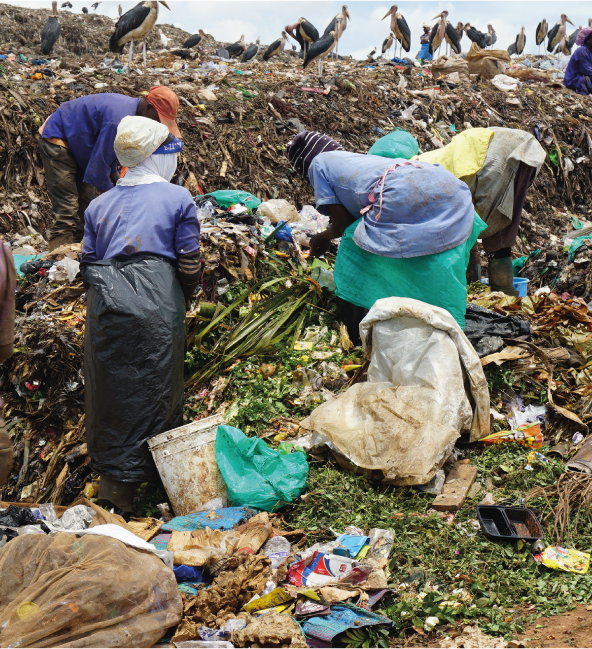
Solid Waste Management
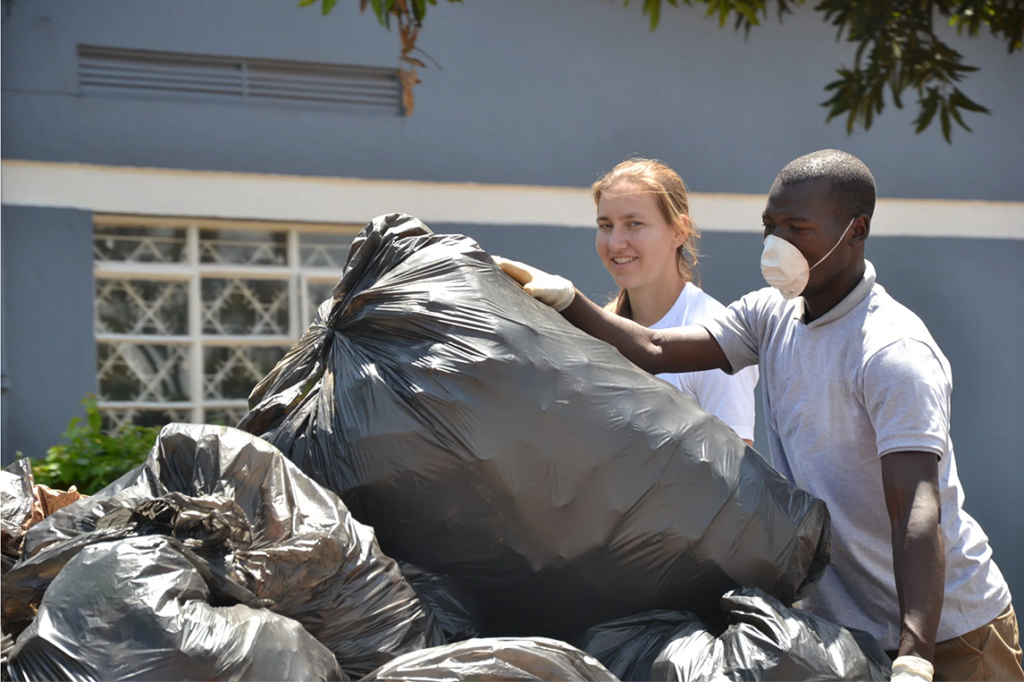
ESSEI is making efforts and innovations to improve garbage collection systems and availability of waste containers, and the adoption of waste segregation methods.
By collaborating closely with local authorities and community members, we can lessen the amount of rubbish and standing water in neighborhoods by enhancing the waste collection, which can aid in limiting the spread of infectious diseases.
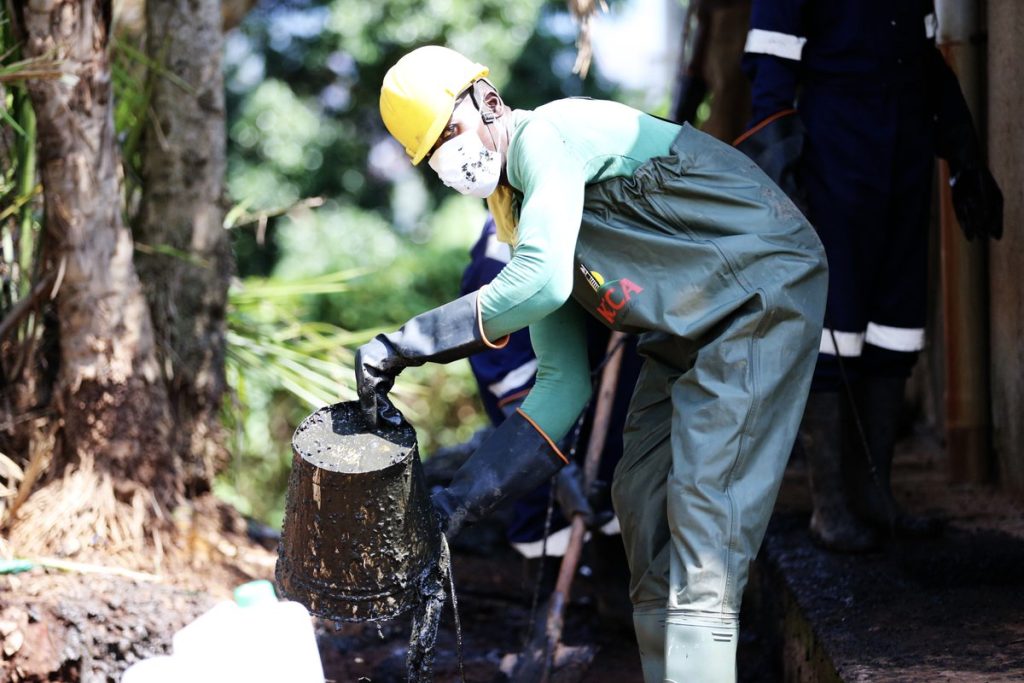
Our Organization focuses on enhancing drainage systems to avoid the buildup of standing water in addition to enhancing trash collecting and disposal systems. Poor drainage systems can cause standing water to build up in many of the communities we serve, which can act as a breeding ground for vermin and mosquitoes that spread diseases. To improve drainage systems, we collaborate closely with local government officials and members of the community. This includes building new drainage channels, maintaining existing drainage systems, and putting in place community-based drainage management systems. We can lessen the quantity of standing water in neighborhoods by improving drainage systems, which can aid in halting the spread of diseases.