A world where all children have clean Water, Sanitation and Hygiene
Our Objective
To help reduce illness and death, eradicate poverty, and improve socio-economic development.
ESSEI focuses on the issues of access to clean water, improved sanitation, and proper hygiene for the people in our target areas. We ensure that the programs that we create under this thematic area are sustainable and adaptive to climate change.
Community Hygiene Promotion
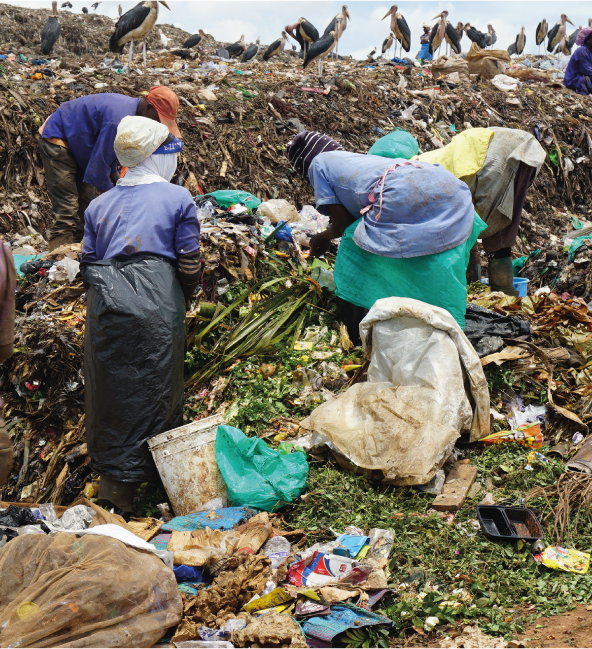
The prevalence of cholera and typhoid epidemics, as well as a high incidence of diarrheal diseases, particularly in children under five years of age, are indications that the majority of community members in the slum settlements of Kampala and Mukono in central Uganda lack adequate knowledge of the relationship between water, sanitation, hygiene, and health (Bwire et al., 2013)
ESSEI’s efforts to enhance (WASH) conditions in the areas we serve depend heavily on hygiene promotion and community mobilization. We concentrate on informing locals about the value of safe water storage, hand-washing, and proper waste disposal. We employ a variety of techniques, such as radio shows, posters, and community meetings, to connect with various population segments. We also collaborate with nearby schools to instruct kids about proper sanitation and hygiene procedures. We want to bring about a sustainable behavior change that will result in better health outcomes by involving people of all ages and backgrounds in our efforts.
We intend to create mobile technologies so that people can use our mobile app to acquire information on good hygiene habits, report problems with WASH, and offer feedback on our initiatives. We can reach a wider audience, collect real-time data on WASH challenges, and tweak our programs in response to user feedback by utilizing technology.
Supplying Safe Water
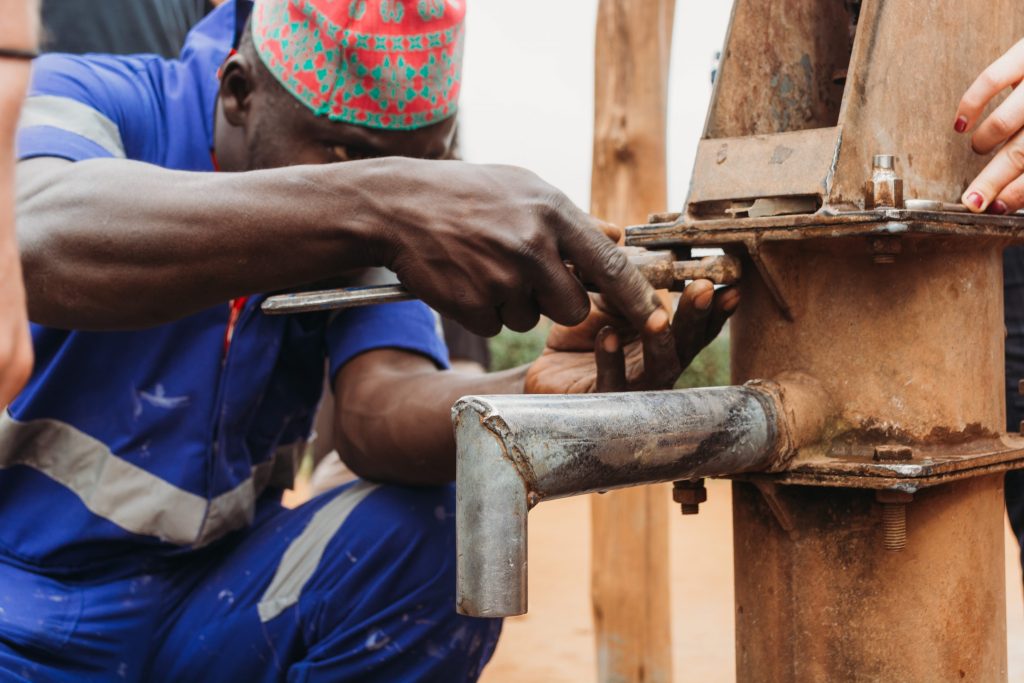
ESSEI constructs wells and drills boreholes using a community-driven methodology. We actively collaborate with local government officials and residents to determine the best places for these water sources, taking into account elements like accessibility, water quality, and sustainability. To maintain the long-term viability of these water sources, we additionally involve the neighborhood in their development and upkeep.
We further educate the communities we serve on water management and conservation. Through this training, community members may better manage local water resources, cut down on water waste, and make sure that these water sources will be available for future generations. We can promote wise water usage in these communities by offering training on water management and conservation.
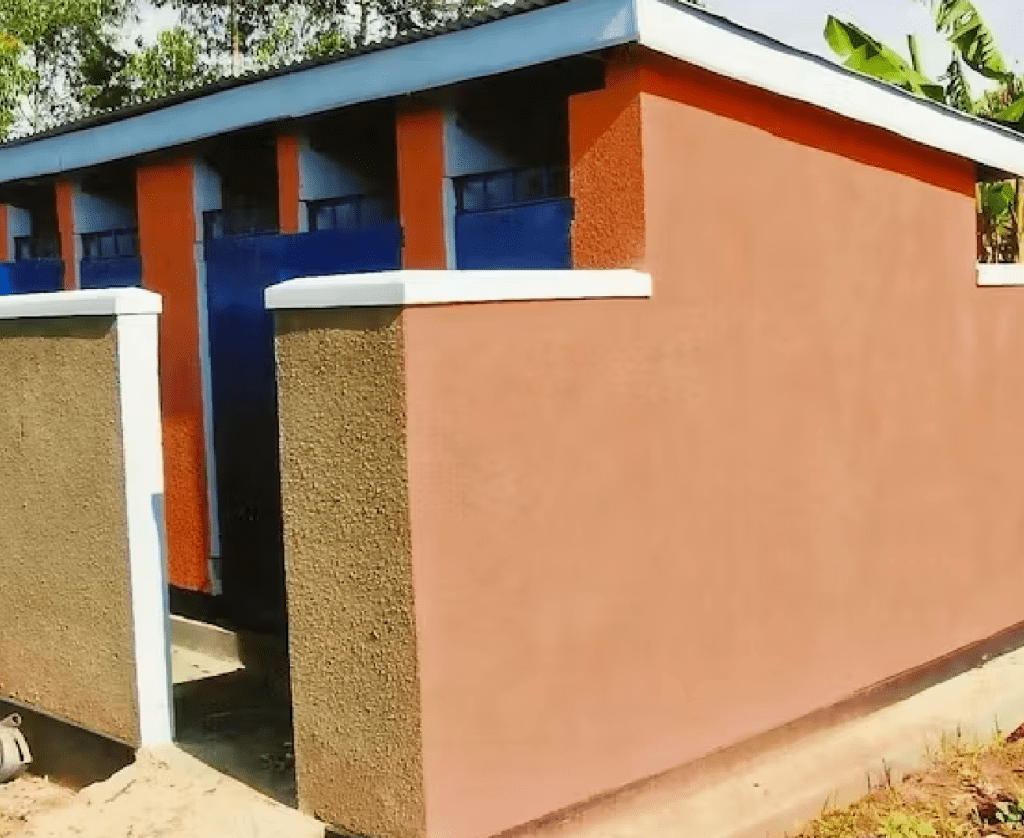
Latrines/Toilets
We believe that everyone should have access to safe and private sanitation facilities that are segregated by gender or family unit. We work with local authorities and communities to build and maintain latrines or toilets that are safe for women, girls, men, and boys to use at all times.
Building and maintaining safe and hygienic latrines or toilets is crucial in preventing the spread of diseases such as diarrhoea and cholera. In many communities, open defecation is still a prevalent practice, and this poses a significant health risk. By promoting the building and maintaining of safe and hygienic latrines or toilets, we can improve the health and well-being of communities, particularly women and girls who are most vulnerable to the risks associated with poor sanitation practices.
We also provide hygiene promotion and education to the communities we serve. We believe that access to safe sanitation facilities should go hand in hand with good hygiene practices such as hand-washing with soap. By promoting good hygiene practices, we can reduce the risk of diseases and improve overall health and well-being in the communities we serve.
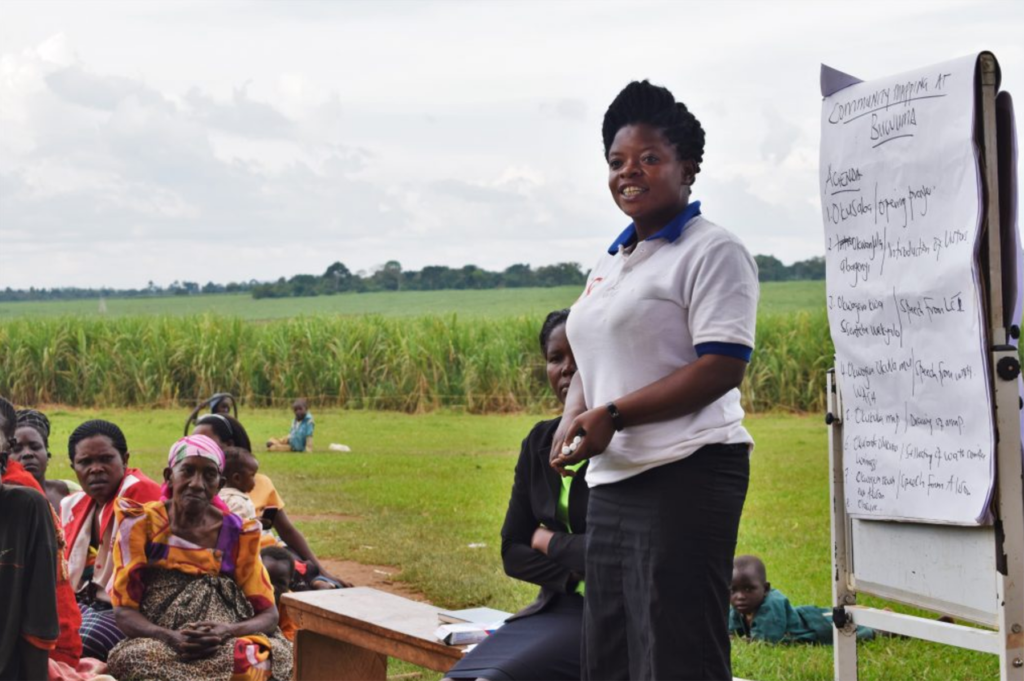
Behavior Change Sessions on Water, Hygiene + Sanitation
The first step in conducting behavior change sessions is to identify the key behaviors that need to be promoted. These can include washing hands with soap before eating or after using the toilet, using latrines instead of open defecation, and drinking safe water. Communication materials can be developed to support the sessions. These can be conducted in schools, either during regular class time or through after-school programs facilitated by teachers, community health workers, or other trained personnel. It is essential to ensure that the sessions are age-appropriate, interactive, and engaging to capture the attention of the students.
Campaigns like posters, radio messages, drama, and other medi can be conducted to reinforce the messages and reach a wider audience. We ensure that the messages are culturally appropriate and sensitive to the local context like using local language and images that are relevant to the community can help increase the effectiveness of the campaigns. To ensure that the behavior change messages are sustained, it is essential to involve parents and caregivers in the process through parent-teacher associations, community meetings, and other forums.
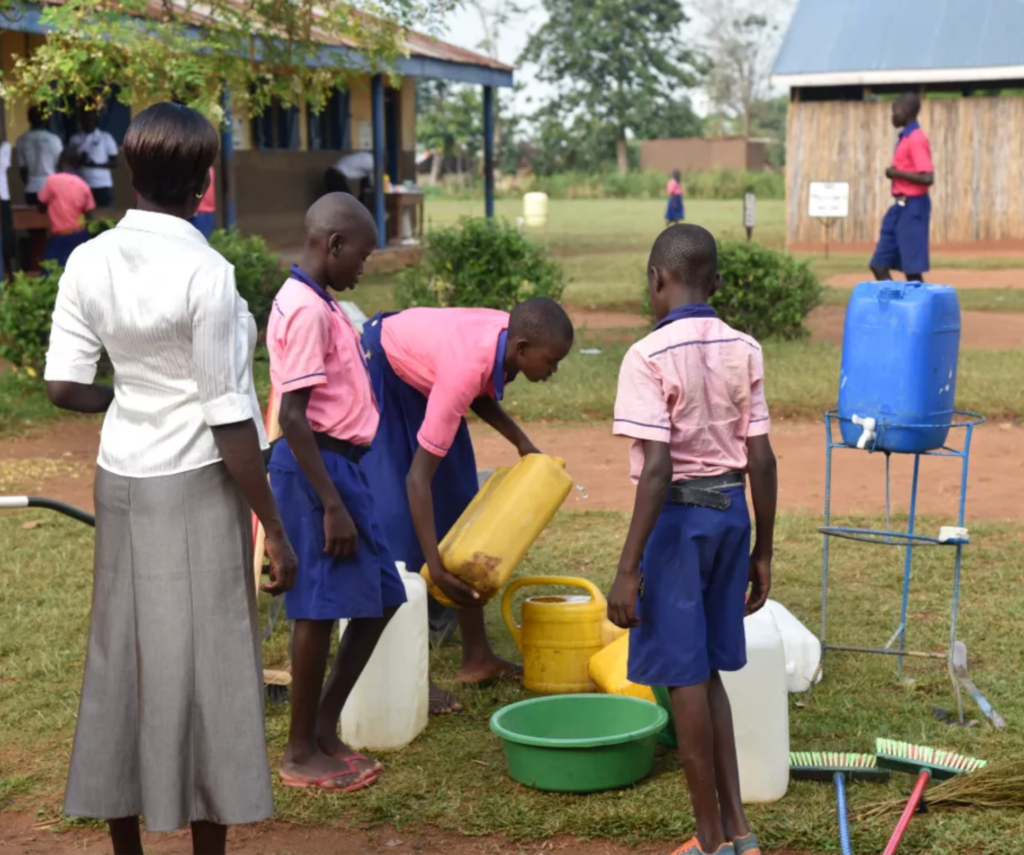
Community Cleanliness campaigns
To stop the spread of infections and maintain good health, it is crucial to have access to safe water, sanitary conditions, and hygiene habits. Lack of education and inadequate infrastructure frequently result in subpar sanitation and hygiene standards in many areas, which facilitate the spread of diseases. Our group has started several initiatives to encourage good hygiene and sanitation habits, such as neighborhood campaigns, cleanliness drives, and water-related seminars, to address this.
Our community programs contain a group of health professionals and volunteers who interact with locals to inform them about the value of proper sanitation and hygiene habits. We hold interactive seminars on water safety, sanitation, and health and also disseminate instructional materials like leaflets, posters, and brochures to promote ethical behavior and reinforce important ideas.
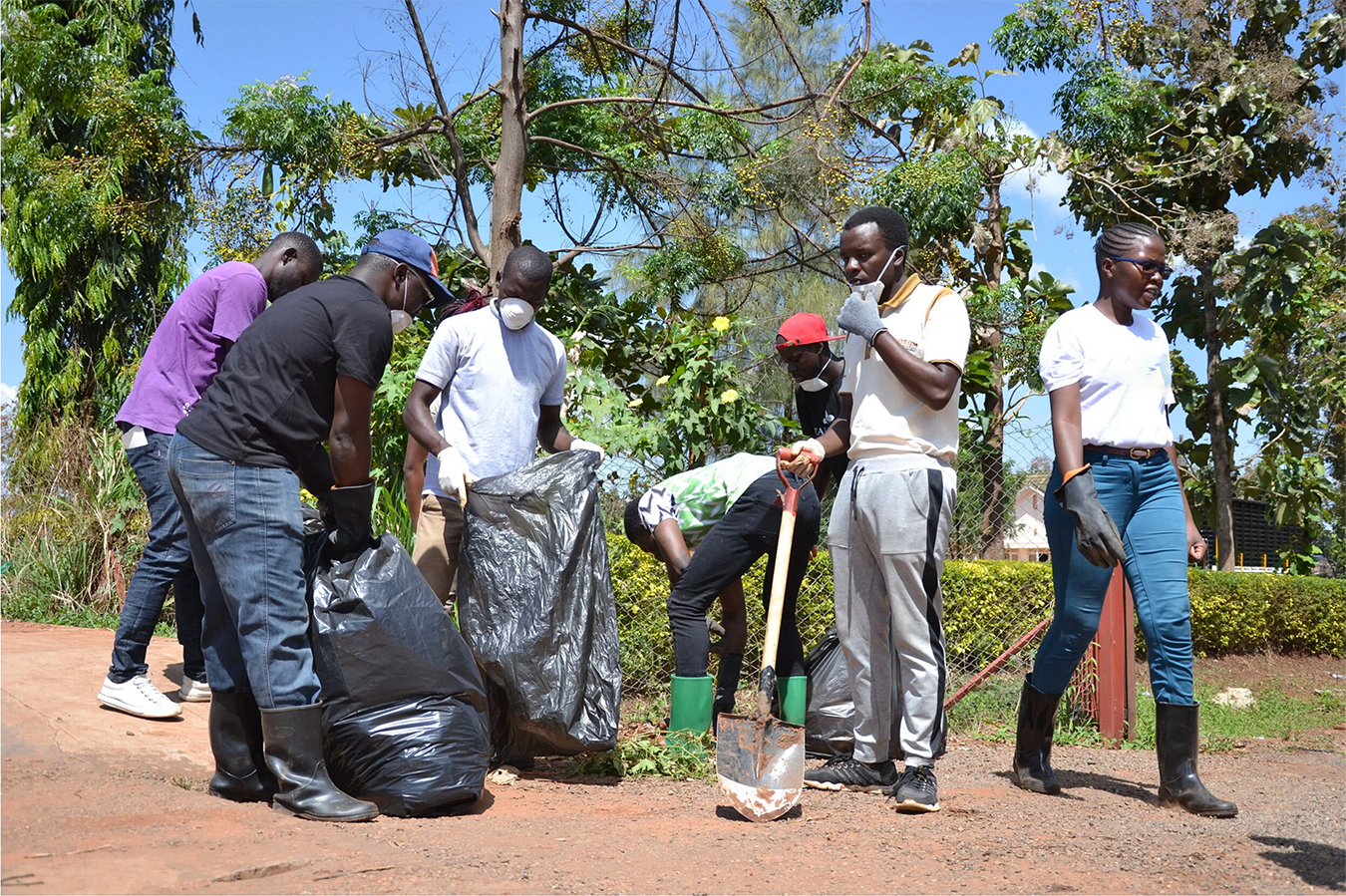
We urge neighborhood residents to take part in these drives. The intention is to lessen the amount of garbage and detritus, which frequently house pests and germs that cause disease. For the cleaning tasks to be secure and sanitary, we offer gloves, masks, and other safety equipment.
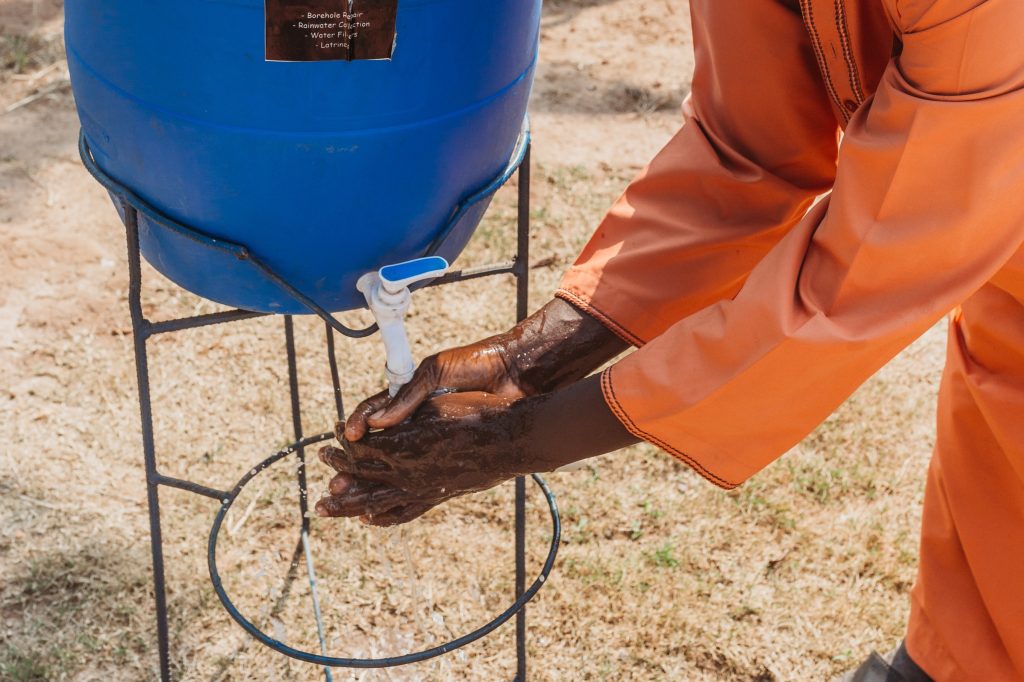
Hand-washing Sessions
The transmission of germs and viruses, as well as the spread of infections and diseases, can be stopped by performing a quick yet effective hand wash. Due to inadequate facilities and a lack of awareness, hand washing is not a common practice in many schools and slum areas. To raise awareness about the value of routinely washing one’s hands with soap and water, our group is actively striving to organize hand-washing sessions in schools and slum communities. We hope that by engaging in this activity, both kids and adults will develop a habit of practicing good hand hygiene.
To avoid infections, diseases, and the transmission of germs and viruses, our organization also holds awareness training on trash disposal and washing one’s hands. These seminars are geared towards schoolchildren, slum dwellers, both men and women and other vulnerable populations. Our goal is to equip people with the knowledge and tools they need to take charge of their health, hygiene, and of their community.
We also aim to install hand-washing stations in public spaces like schools. This serves as a reminder to wash your hands properly. Our organization also offers training to health professionals and school instructors on the value of hand-washing and how to get kids and adults to do it frequently.